THE PHONE Call Challenges Tier List
Community ranking of twisted call archetypes—from S-tier social nightmares to C-tier warmups.
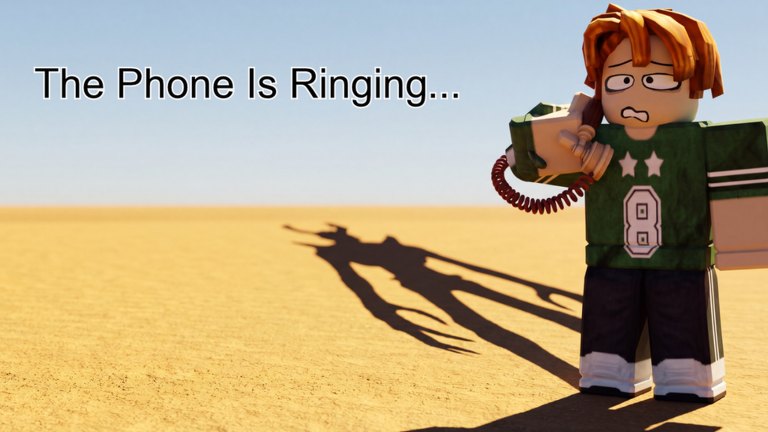
This Call Challenges Tier List ranks the kinds of pressure THE PHONE throws at parties after someone answers the ringing phone. It is a community ranking grounded in survival horror party design—not an official Zynapse Studio chart. Use it to set expectations, draft roles, and debrief wipes with a shared vocabulary across up to eighteen Roblox players.
THE PHONE’s loop (lobby → ring → answer → twisted challenge → reset) means “difficulty” is often social. A mechanically simple rule can still be S-tier if it demands perfect silence from a hyped Hellfire crowd. Keep that in mind while you read.
Ranking criteria (again, briefly)
We score archetypes on communication load, answer stigma, crowd collisions, audio dependence, tilt potential, and seasonal amplification during the Hellfire Event. Improve your odds with How to Survive Calls and Teamwork Tips regardless of tier.
S tier — social nightmare fuel
Split-attention obedience checks
Challenges that force half the lobby to do the opposite of the other half. Without a shotcaller, eighteen players invent eighteen strategies. Tilt spikes when one side “proves” they were right in chat mid-fail.
Isolation answers
Vibes where the answerer must perform while separated from advice. Great for horror storytelling; brutal for new players recruited during THE PHONE’s post-launch boom. Assign a dedicated radio friend beforehand.
Instant-blame fail states
Any twist that makes a single misclick visually obvious to the whole server. Skill issue becomes public spectacle. Only queue these when your stack agreed to high-pressure entertainment.
S-tier prep: Strong roles, push-to-talk discipline, pre-written text macros for mobile players, and a no-toxicity rule.
A tier — hard but teachable
Precision movement under timer fear
Pathing challenges that punish collisions in crowded doorways. Fair if people stagger entry; miserable if everyone surges. Desktop players with clean Controls habits help a lot here.
Multi-cue audio reads
Layers of sound where the correct action changes. Headphones become mandatory. Muted public players need buddy translations in chat.
Rotating volunteer pressure
Not as cruel as isolation answers, but still stressful when the lobby shames hesitation. Use answer rotation sheets so stigma spreads fairly.
A-tier prep: One calm shotcaller, backup answerer, and a post-round debrief habit from Getting Started.
B tier — mid-party teachers
Group huddle objectives
Challenges that reward stacking together or sharing a zone. They teach positioning without always ending friendships. Still deadly if griefers drag the huddle into hazards.
Simple object interactions
Find, hold, or deliver style twists. Difficulty mostly comes from navigation literacy in the map—not mind games. Great after redeeming codes and warming up mechanically.
Soft stealth vibes
Quiet movement recommendations that forgive small mistakes. Useful Hellfire warmups before you hunt S-tier recordings.
B-tier prep: Practice callouts; do not sleepwalk. Mid tiers create bad habits if parties meme every rule.
C tier — onboarding and palate cleansers
Low-stakes tutorial twists
Early teaching challenges that explain THE PHONE’s language. Perfect for brand-new friends on day-one lobbies after the November 7, 2026 release.
Social icebreakers
Light prompts that get people talking without heavy fail shame. Use them to elect a shotcaller for later rings.
Recovery rounds
Forgiving challenges after a brutal wipe streak. Protect morale during long Hellfire sessions.
C-tier prep: Still answer on time. Treat warmups as reps for Interact timing.
Quick-reference table
| Tier | Archetype examples | Primary risk |
|---|---|---|
| S | Split obedience, isolation answers, instant-blame fails | Communication collapse + tilt |
| A | Precision pathing, multi-cue audio, rotating volunteers | Execution under stress |
| B | Huddles, simple object tasks, soft stealth | Complacency |
| C | Tutorial twists, icebreakers, recovery rounds | Overconfidence later |
How to argue about tiers without wrecking the lobby
Say “this felt S because of instant blame,” not “you’re hardstuck.” Point to a criterion. If Hellfire spectacle alone made a B challenge feel like S, mark it as event-amplified rather than rewriting the whole list. Patch notes on Hellfire Launch and the Updates Hub may justify true reranks later.
Linked practice plan
- Identify last wipe’s tier using this page.
- Drill the matching skill on Survive Calls.
- Fix inputs on Controls if prompts were late.
- Rebuild roles via Teamwork Tips.
- Return to the Tier List Hub when new lists appear.
Community tiers exist to make fear discussable. They are not insults and not gospel. Rank the call, ready the party, and pick up the phone anyway.
Frequently Asked Questions
Quick answers to the most common questions.
Is the Call Challenges tier list official?
No. It is a community ranking based on party horror pressures such as communication load and tilt potential.
What does S tier mean here?
Extreme social or mechanical pressure that often wipes disorganized 18-player lobbies without clear roles and callouts.
Can a C-tier challenge still kill us?
Yes. Low-pressure archetypes still fail if nobody answers, nobody listens, or players grief the objective.
How should we use this list during Hellfire?
Set expectations before queuing, tag which archetypes you hit, and remember seasonal crowds can amplify effective difficulty.
Where do I learn to beat high tiers?
Study How to Survive Calls and Teamwork Tips, then practice answer rotation and short callouts in friend lobbies.